
THREE SIMPLE STEPS
01 Free Assessment
We’ll discuss your situation over the phone and arrange a visit.
02. Clear Quotation
You’ll receive a fixed-price quote with no hidden costs. We’ll also explain the process, timescales, and any disruption involved.
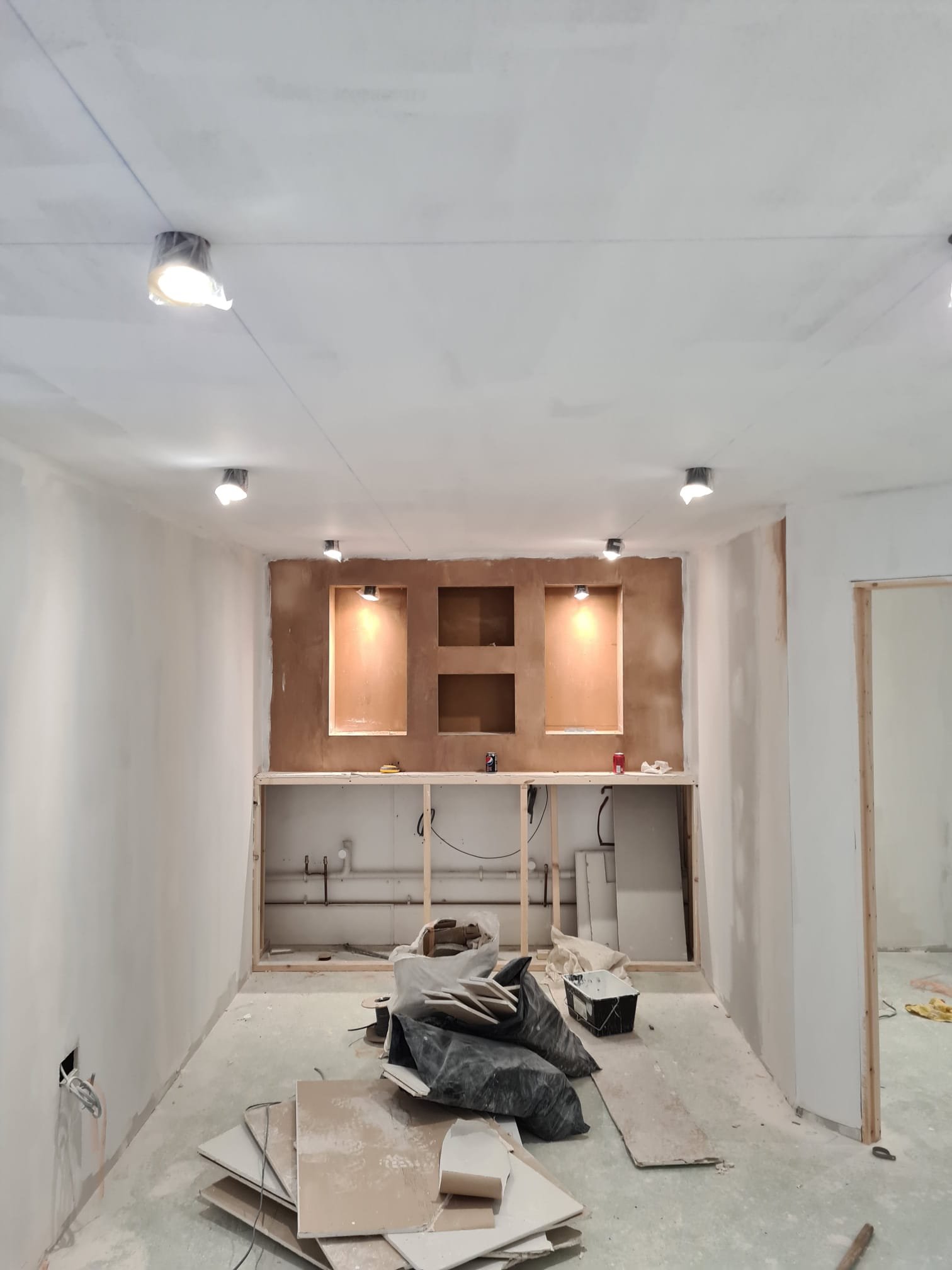
03. Clean, Professional Work
Our team works quickly and cleanly, keeping disruption to a minimum. Once done, we test, certify, and hand over your completed system with all documentation.
Does My Property Need a Electrical Rewire?
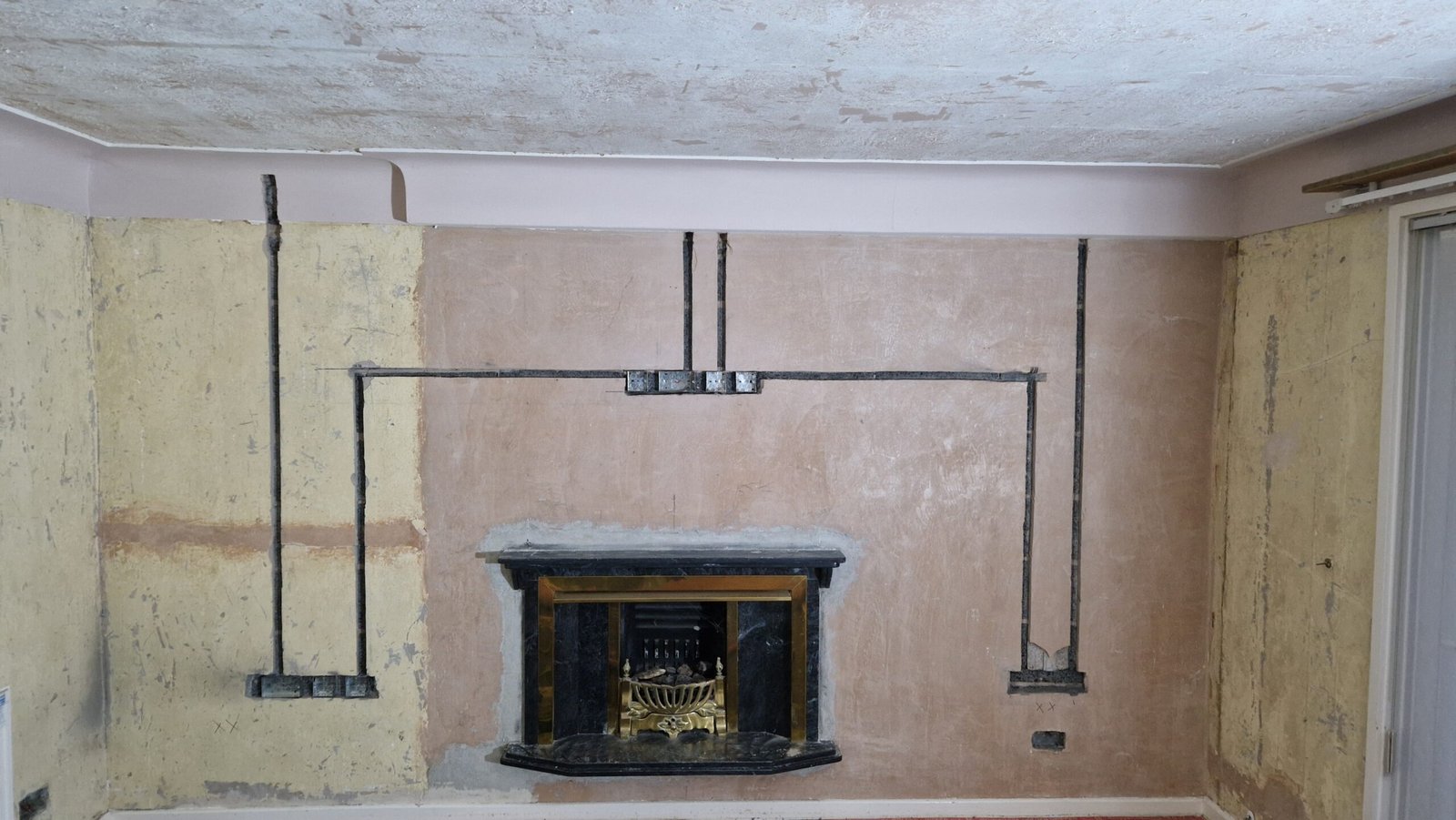
Rewiring isn’t just for run-down houses. Many modern-looking homes still rely on outdated systems that fall short of today’s safety standards. You may need a rewire if:
- Your fuse board is more than 25 years old
- You see signs of wear — flickering lights, warm sockets, or frequent tripping
- You’re planning major renovations, such as a new kitchen or extension
- You’ve just purchased a property and aren’t sure when it was last checked
- Your home was built before 1980 and hasn’t been fully rewired since
Common property types we electrical rewiring include:
- Semi-detached houses
- Bungalows and terraces
- Converted flats and ex-council homes
- Rental properties needing compliance upgrades
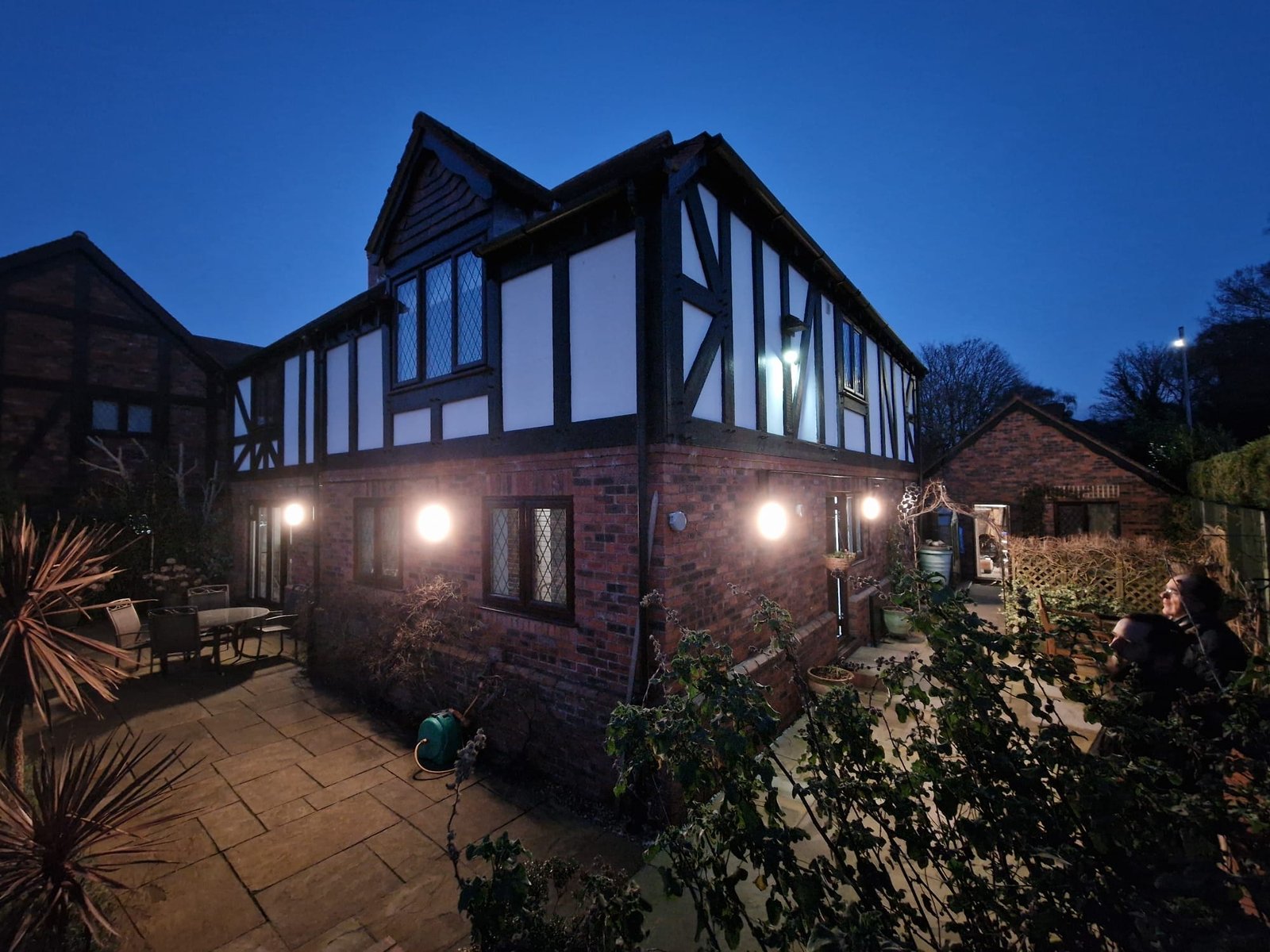
- Farmhouses and rural homes with legacy electrics
Prefer to speak now?
Call us Now: 0800 652 52 30
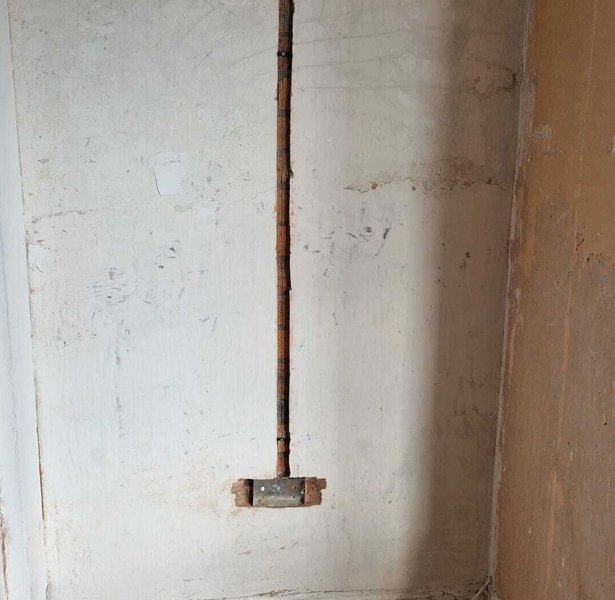
What’s Involved in a Rewire?
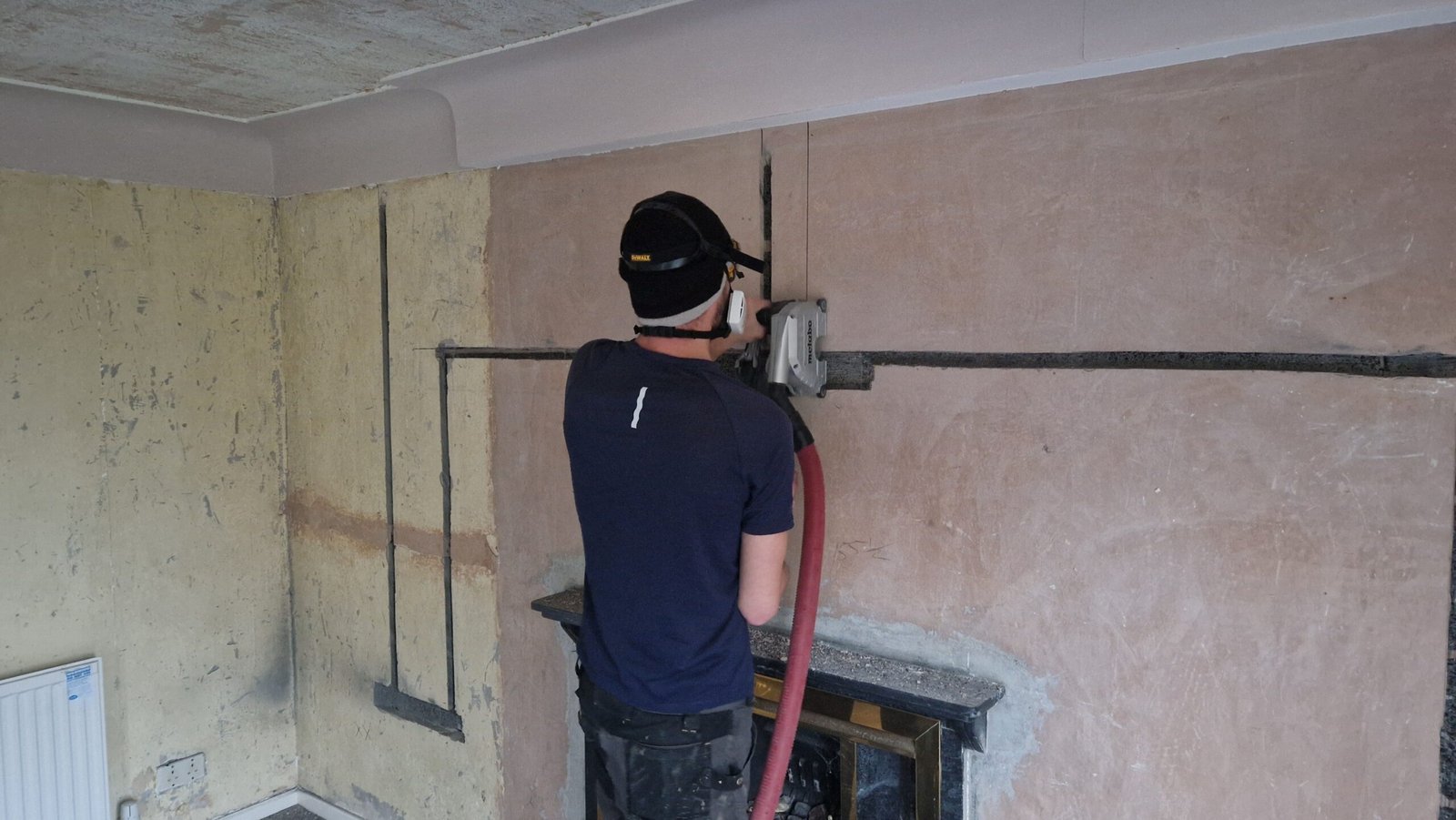
Every home is different, but a typical rewire involves:
- Removing or isolating outdated cabling
- Installing new wiring throughout the property
- Replacing the consumer unit (fuse board)
- Adding or relocating sockets, switches, and lighting
- Wiring for kitchen appliances, showers, and outdoor power
- Final testing and certification to BS7671 standards
Commercial?
We always carry out a full safety check and talk you through the process in plain English, with no hidden extras.
Full and Partial Rewiring Available
Not all homes need a full rewire. If your property only has a few problem areas, we’ll target those without tearing the whole place apart. Whether it’s a full upgrade or just a few key rooms, we’ll find the most cost-effective way to bring your electrics up to standard.
Call Us Now: 0800 652 52 30
Why Choose Lloyd Power Solutions?
- Over 15 years of rewiring experience across all property types
- Fully qualified and insured team based in Flint
- Honest advice — we’ll never recommend unnecessary work
- Tidy, respectful approach — we treat your home like our own
- Certificates and paperwork provided for every rewire
- Covering Flintshire, Chester, Wrexham, Mold, and surrounding areas
Review
What Our Clients Say
LLOYD POWER SOLUTIONS
Speak to a Rewiring Specialist Today
Call Us Now: 0800 652 52 30
Frequently Asked Questions
How much does it cost to rewire a house in the UK?
A full house rewire typically costs between £3500 and £6,000 plus VAT, depending on the property size, number of circuits, and access. Smaller homes start around £3500, while larger properties or full upgrades (including a new consumer unit) may exceed £6,000. Always request a detailed quote.
How do I know if my house needs rewiring?
Warning signs include flickering lights, frequent tripping of fuses, or a burning/fishy smell near sockets. If your home still has old-style fuse boxes, fabric/ rubber insulated cables, or hasn’t been checked in over 25 years, you should book an Electrical Installation Condition Report (EICR).
How long does a full house rewire take?
Most rewires take 5 to 7 days.
- 1–2 bed flat: around 4-5 days
- 3–4 bed house: 5–7 days
- Larger or occupied homes may take longer depending on access and complexity.
Can you live in a house while it’s being rewired?
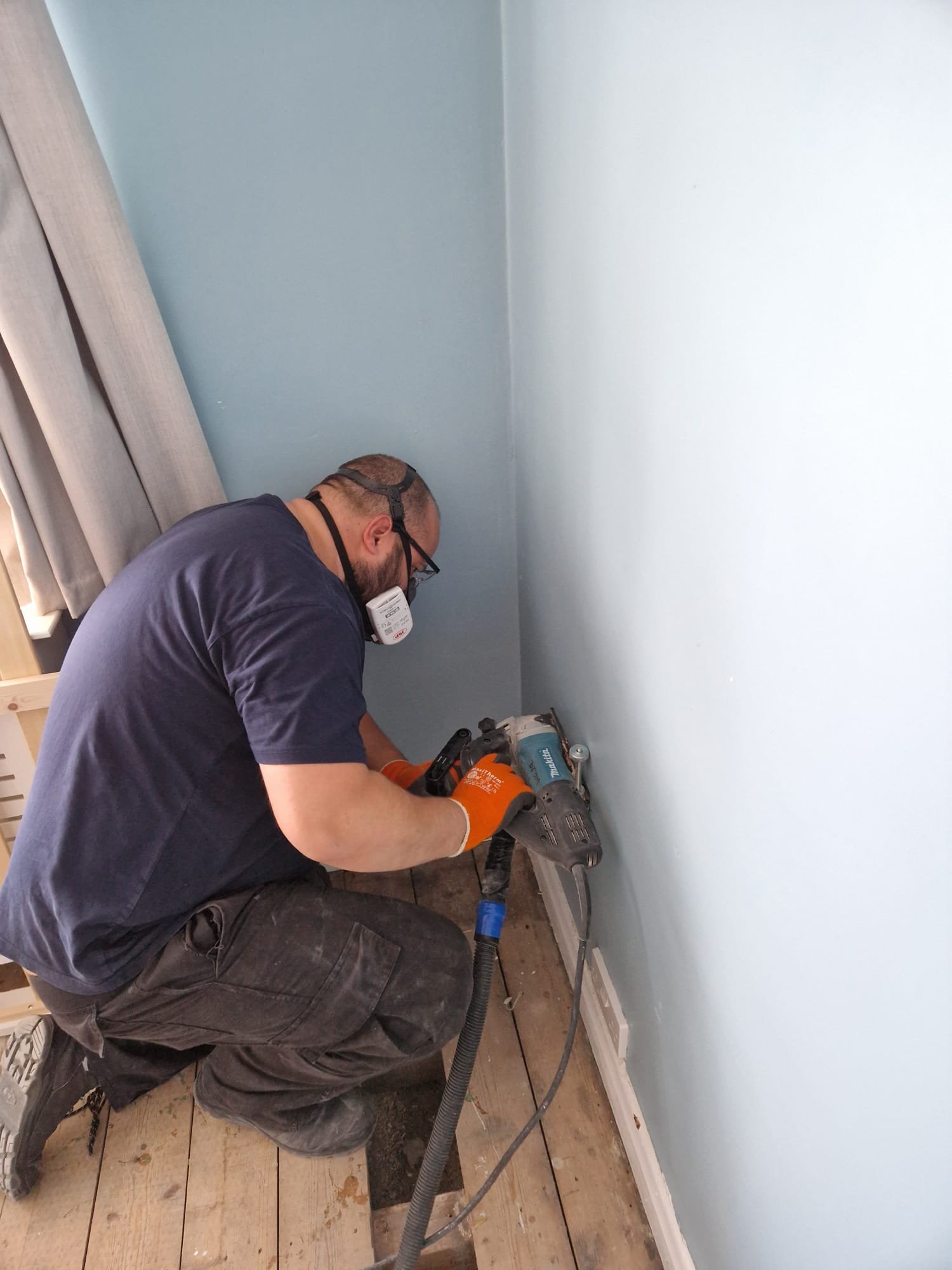
It’s possible, but expect dust, noise, and temporary power loss. Many homeowners choose to stay elsewhere for a few days while essential circuits are replaced. We can also work room by room to reduce disruption, but furniture will need to be moved to access required areas.
What’s included in a full electrical rewire?
A professional rewire includes:
Complete replacement of wiring and circuits
- New sockets, switches, and lighting points in your desired locations
- Updated consumer unit with RCBO and surge protection
- Full testing and electrical certification
Optional upgrades include smart lighting, data cabling, and EV charger circuits.
Do I need to rewire my house before selling or renovating?
If your wiring is outdated or fails inspection, a rewire can make your home more attractive to buyers and prevent delays during a sale. For renovations, rewiring is best done before plastering or fitting new fixtures to avoid extra cost and mess. If your buying your forever home and the wiring is more than 25 years old its good practice to get it done.
Is rewiring messy or disruptive?
Rewiring can be dusty and involve chasing walls or lifting floorboards. Our electricians work efficiently and tidy as they go, when work is completed, we have plasterers who work with us which can be included in our price at an additional cost, or you can source your own plasterers if you wish. Expect some redecoration once work is complete.
How often should a house be rewired in the UK?
Homes typically need rewiring every 25–30 years, or sooner if faults appear. We recommend an EICR inspection every 10 years for homeowners, or every 5 years for landlords. Some home insurers require this for valid home insurance policy.
Does rewiring add value to a property?
Yes. A new, certified electrical system increases safety and adds resale value. Buyers appreciate knowing the wiring meets current standards and won’t need replacement for decades.
Do I need an electrician or can I rewire my own house?
By law, rewiring must be carried out by a qualified electrician registered under Part P of the Building Regulations. DIY rewiring can be dangerous and may invalidate your insurance or home sale certification.